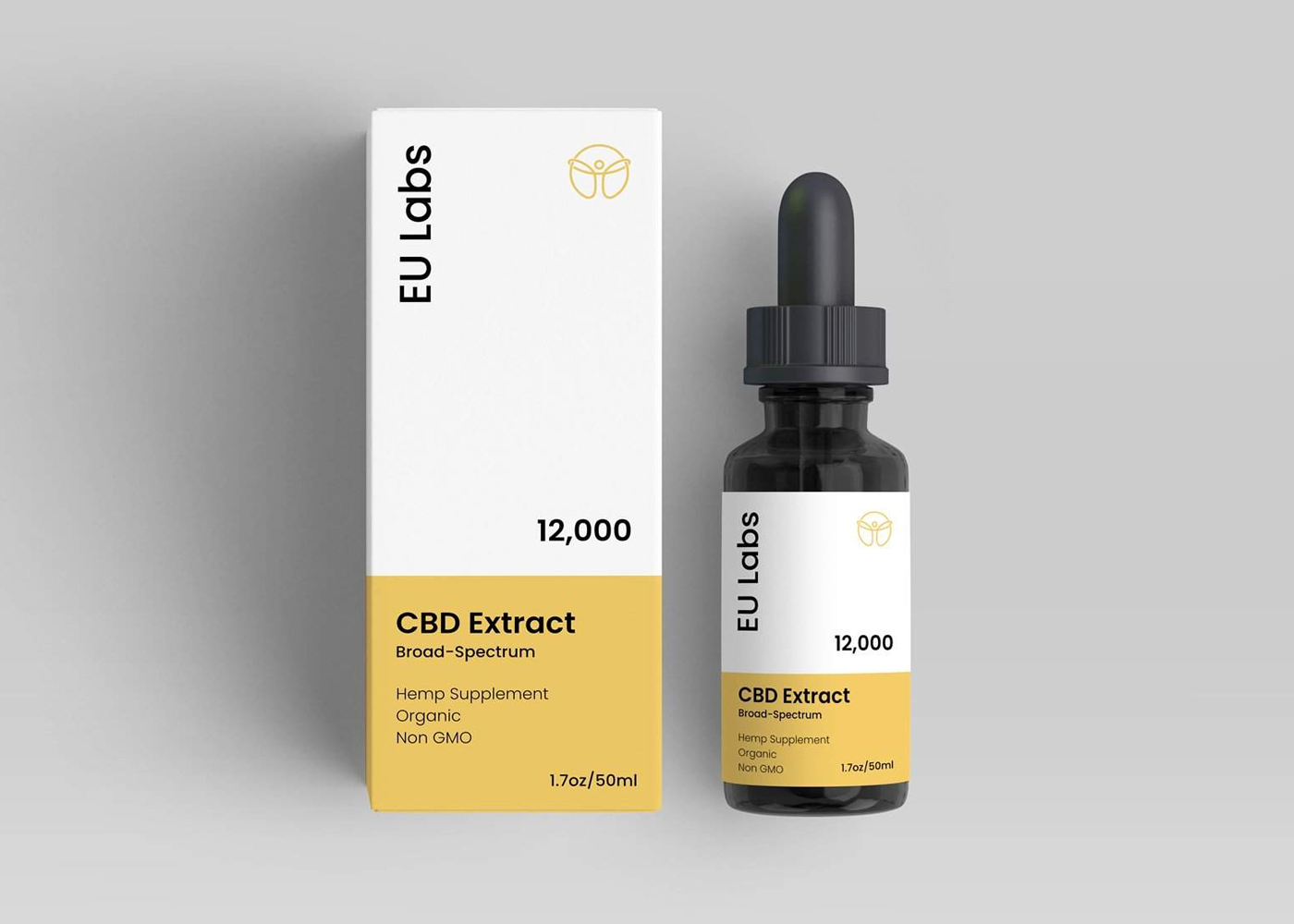
Technical Specifications
- Active Cannabinoid: Cannabidiol (CBD)
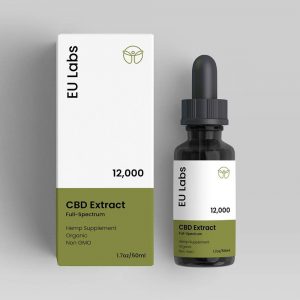
- Total Potency: 12,000 mg CBD
- Bottle Volume: 50 ml (1.7 fl oz)
- Concentration: 240 mg CBD per 1 ml
- Extract Type: Broad Spectrum
- THC Content: Zero THC (THC-free)
- Extraction Method: Supercritical CO₂ extraction
- Carrier Oil: Medium Chain Triglycerides (MCT oil)
- Additional Ingredients: Hemp Sativa L. Aerial Parts
- Alcohol: Alcohol-free
- Terpenes: Terpene-free (removed during processing)
- Manufacturing: EU-based clean room, GMP-compliant facility
- Delivery Format: Tincture (oral drops)
- Packaging: Glass dropper bottle
- Origin: Colorado, USA (hemp source)
- Compliance: TGA-compliant for Australian regulations
$340.00
Description
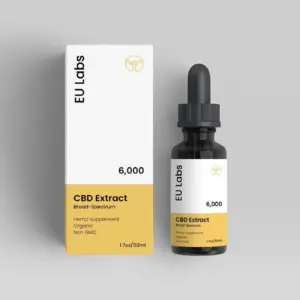
Broad spectrum CBD oil at 12,000 mg represents a high-potency, THC-free formulation designed for experienced cannabinoid users seeking concentrated doses of cannabidiol alongside other minor cannabinoids without any risk of THC exposure. This product delivers 12,000 mg of CBD in a 50 ml bottle, providing a concentration of 240 mg per millilitre—four times the potency of standard 3000 mg formulations. The broad spectrum classification ensures that users can access the benefits of CBD alongside other naturally occurring hemp compounds—such as CBG, CBC, and CBN—without any detectable THC. This makes it an ideal choice for individuals requiring high-potency, THC-free cannabinoid supplementation due to workplace drug testing, personal preferences, or legal considerations in jurisdictions with stricter THC regulations.
The extraction process begins with supercritical CO₂ technology, a solvent-free method that isolates cannabinoids from hemp biomass under controlled temperature and pressure conditions. This process removes plant lipids, waxes, chlorophyll, and other unwanted compounds, resulting in a cleaner, more refined oil. Following extraction, an additional refinement step is applied to selectively remove THC molecules and terpenes while preserving the integrity of other cannabinoids. This targeted removal process ensures that the final product contains zero detectable THC and is terpene-free, as confirmed through third-party laboratory testing and batch-specific Certificates of Analysis (COA).
Broad spectrum formulations are often compared to full spectrum oils, which retain trace amounts of THC and naturally occurring terpenes within legal limits (typically below 0.3%). While full spectrum products are associated with the entourage effect—the synergistic interaction between cannabinoids, terpenes, and flavonoids—broad spectrum oils offer a multi-cannabinoid profile without any THC presence or terpene content. This makes broad spectrum CBD a versatile option for users who want cannabinoid diversity without psychoactive compounds, terpene flavour profiles, or concerns about THC detection in drug screenings.
High-Potency Manufacturing and Quality Assurance
The carrier oil used in this formulation is MCT (medium-chain triglycerides), derived from fractionated coconut oil. MCT oil is selected for its rapid absorption rate, neutral flavour, and ability to enhance the bioavailability of lipophilic (fat-soluble) cannabinoids. When taken sublingually, the oil is held under the tongue for 30 to 60 seconds, allowing cannabinoids to be absorbed directly through the mucous membranes into the bloodstream. This sublingual delivery method bypasses hepatic first-pass metabolism, leading to faster onset and more efficient cannabinoid absorption compared to oral ingestion or capsule formats. For high-potency formulations, sublingual administration is particularly effective, as it maximises cannabinoid bioavailability while minimising waste.
Manufacturing takes place in an EU-based clean room facility that adheres to Good Manufacturing Practice (GMP) standards. Clean room environments control airborne particulates, temperature, humidity, and microbial contamination to ensure consistent production conditions. GMP compliance involves rigorous quality control at every stage, including raw material verification, in-process testing, and final product analysis. Each batch undergoes third-party laboratory testing for cannabinoid potency, heavy metals, pesticides, residual solvents, and microbial contaminants. Batch-specific COAs should be verified directly through the manufacturer’s website to confirm zero THC content and declared cannabinoid levels.
CBD interacts with the endocannabinoid system, which is present in all mammals. However, it is important to emphasise that CBD oil is not intended to diagnose, treat, cure, or prevent any disease. Users should approach cannabinoid supplementation with appropriate caution and consult healthcare professionals before use, particularly if taking prescription medications or managing chronic health conditions.
Dosage, Storage, and High-Potency Usage
Dosage protocols for high-potency CBD oil require careful attention due to the concentrated cannabinoid content. Users new to CBD should start with a very low dose—such as 0.1 to 0.25 ml (24 to 60 mg CBD)—and adjust incrementally based on personal response. Experienced users transitioning from lower-potency formulations (e.g., 3000 mg) may begin with 0.25 to 0.5 ml (60 to 120 mg CBD) once or twice daily. Consistency in timing and dosage helps maintain stable cannabinoid levels in the system. Users should avoid exceeding recommended serving sizes without professional guidance, as higher doses do not necessarily correlate with improved outcomes.
Storage recommendations include keeping the bottle in a cool, dark environment away from direct sunlight, heat sources, and moisture. Glass dropper bottles provide protection against light degradation, but prolonged exposure to heat can still compromise cannabinoid potency and carrier oil integrity. High-potency formulations may be more sensitive to temperature fluctuations, so storage in a stable environment is essential. Once opened, the product should be used within six months to ensure freshness and optimal efficacy. In warmer climates (such as much of Australia), refrigeration may extend shelf life, but the oil should be allowed to return to room temperature before use to ensure accurate dosing consistency.
This 12,000 mg broad spectrum CBD oil is positioned as a premium, high-tier strength option suitable for experienced cannabinoid users or those requiring higher doses for consistent cannabinoid intake. The combination of zero THC content, terpene-free formulation, and supercritical CO₂ extraction provides a foundation of quality assurance and regulatory compliance for informed consumers navigating the high-potency cannabinoid market.
Stillroot offers this premium high-potency broad spectrum CBD oil as part of a curated selection designed for Australian consumers who prioritise THC-free, high-strength cannabinoid supplementation without compromising on quality or cannabinoid diversity. Explore our full range of CBD formulations—including full spectrum and isolate options—to find the strength and spectrum type that aligns with your needs.
Frequently Asked Questions (FAQ)
What is the advantage of a 12,000 mg broad spectrum CBD oil over lower-potency options?
A 12,000 mg broad spectrum CBD oil contains 240 mg CBD per millilitre, providing four times the potency of standard 3000 mg formulations. This higher concentration allows for smaller serving sizes, greater dosing flexibility, and improved cost-effectiveness for users requiring larger daily doses. High-potency formulations are designed for experienced cannabinoid users who have already established a baseline response with lower-strength products. The broad spectrum profile ensures cannabinoid diversity (CBD, CBG, CBC, CBN) without any THC presence, making it ideal for users subject to workplace drug testing or those avoiding THC for personal or legal reasons.
Is 12,000 mg CBD oil safe for daily use?
Yes, 12,000 mg CBD oil can be safe for daily use when dosed appropriately under the guidance of a healthcare professional. The key is to start with a low dose (0.1 to 0.25 ml per serving) and adjust gradually based on individual response. High-potency formulations require precise micro-dosing to avoid cannabinoid saturation, which does not necessarily lead to improved outcomes. Users should consult with healthcare professionals before starting any high-potency cannabinoid regimen, particularly if taking prescription medications or managing chronic health conditions. Batch-specific Certificates of Analysis (COA) should be verified to confirm cannabinoid content and the absence of contaminants.
How do I calculate the correct dose when transitioning from a 3000 mg to a 12,000 mg formulation?
To maintain the same cannabinoid intake when transitioning from a 3000 mg (60 mg/ml) to a 12,000 mg (240 mg/ml) formulation, divide your current dose by four. For example, if you take 0.5 ml of a 3000 mg oil (30 mg CBD), you would take 0.125 ml of the 12,000 mg oil (30 mg CBD) to achieve the same dose. Start with this equivalent dose and monitor your body’s response for several days before adjusting incrementally. High-potency formulations offer greater precision in micro-dosing, allowing you to fine-tune your cannabinoid intake more accurately. Always consult with a healthcare professional before transitioning to higher-strength products.