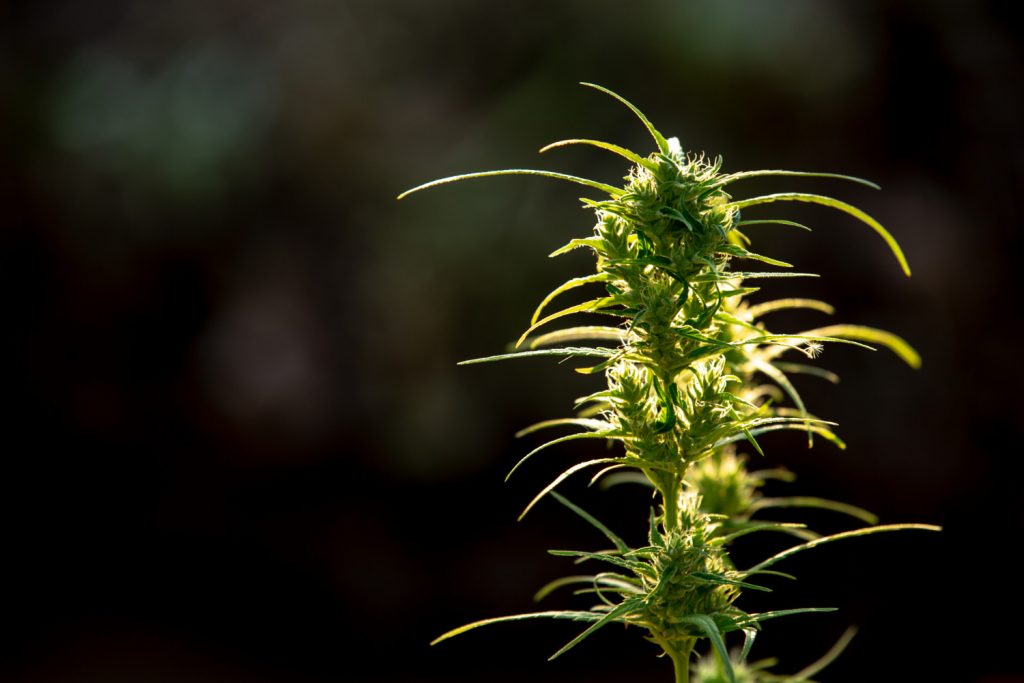
CBG — the cannabinoid that isn’t CBD
Cannabigerol (CBG) is one of over a hundred cannabinoids found in the hemp plant. It’s not CBD. It’s not THC. It’s a distinct compound with its own molecular structure, and it’s been drawing attention as a standalone product rather than just a minor ingredient listed on a full spectrum lab report.
For years, CBG was a footnote — a precursor cannabinoid that the plant converts into CBD, THC and other compounds as it matures. Harvest the plant early and you get more CBG. Harvest later and most of it has already transformed into other cannabinoids. That conversion is why CBG used to be expensive to extract in meaningful quantities. Hemp breeding and extraction improvements have changed the economics, and CBG-specific products are now commercially viable.
EU Labs sells CBG oil in two concentrations: CBG Oil 3000mg at 60 mg/mL and CBG Oil 12000mg at 240 mg/mL. Both come in 50 mL glass dropper bottles with MCT coconut oil as the carrier — the same format as the CBD range.
How CBG differs from CBD
CBD and CBG are both non-intoxicating cannabinoids derived from hemp. They won’t get you high. But they’re different molecules. CBG has a different chemical structure, interacts with the endocannabinoid system differently, and the research literature treats them as separate compounds with distinct profiles.
From a practical standpoint, people use them differently. CBD is the dominant cannabinoid in hemp and the one most people start with. CBG is less abundant in mature hemp plants and has traditionally been harder to produce as a standalone extract. Many people who use CBG already have CBD in their routine and add CBG as a second cannabinoid — sometimes at different times of day.
The two compounds can coexist in the same routine without issue. Some people take CBD and CBG together. Others space them out. The EU Labs range makes both available in identical formats — same bottle size, same carrier oil, same concentration tiers — so incorporating either into a routine is straightforward.
CBG as a precursor cannabinoid
Here’s the biology in plain terms. The hemp plant starts by producing cannabigerolic acid (CBGA) — the acidic form of CBG. As the plant grows, enzymes convert CBGA into THCA, CBDA and CBCA. These acidic forms then convert to THC, CBD and CBC through heat or time (a process called decarboxylation). CBG is the starting point from which most other cannabinoids are built.
This precursor role is why CBG earned the nickname “the mother cannabinoid” in some circles. By the time a typical hemp plant is harvested, most of its CBG has already converted into other compounds. What remains is usually less than 1% of the plant’s cannabinoid content. Producing a concentrated CBG oil means either harvesting hemp at an earlier stage or using cultivars bred to retain higher CBG levels at maturity.
EU Labs sources CBG from hemp grown in Colorado under regulated conditions. The extraction uses supercritical CO₂ — the same method used for the CBD range — and the resulting oil undergoes the same GMP manufacturing and third-party testing process. The batch number on each CBG bottle links to an independent lab report confirming the cannabigerol concentration and contaminant screening results.
What people use CBG for
CBG is commonly included as part of a daytime routine. Some people pair it with their morning coffee or take it alongside breakfast. Others use it midday. The timing and approach vary from person to person — there’s no fixed protocol, and individual routines differ widely.
Interest in CBG has grown as more people look beyond CBD for additional cannabinoid options. Where five years ago the only readily available cannabinoid product was CBD oil, the market now includes CBG and CBN as standalone options. Each cannabinoid has its own following, and some people rotate between them or combine multiple cannabinoids in their daily routine.
As with any cannabinoid product, we recommend talking to a healthcare professional before adding CBG to your routine. This applies to first-time buyers and experienced users alike — especially if you’re taking other products that a qualified practitioner should know about.
Concentration and format
EU Labs CBG Oil comes in two strengths. The 3000mg bottle delivers 60 mg/mL — a common starting point for people new to CBG. The 12000mg bottle delivers 240 mg/mL from the same 50 mL volume, meaning fewer drops for the same milligram amount.
Both use MCT coconut oil as the carrier. Glass dropper bottle. Batch number on the label. Lab report accessible for every production run. The format mirrors the CBD range exactly — EU Labs applies the same manufacturing and testing standards across all its products, regardless of which cannabinoid is inside.
You can order CBG alongside CBD or CBN products in the same checkout. Stillroot ships the full EU Labs range to addresses across Australia, dispatched on the same business day. There’s no restriction on mixing different cannabinoid products in a single order.
CBG in the broader cannabinoid picture
Five years ago, CBD was the only cannabinoid most people had heard of. Now CBG and CBN have their own dedicated products, their own research interest, and their own user bases. The cannabinoid market has expanded from a single compound to a range of options, each with a distinct profile.
CBG sits in this picture as the precursor — the compound the plant makes first, before converting it into everything else. Whether that origin story matters to you or not, the practical reality is simple: CBG is a standalone cannabinoid product available at measured concentrations, manufactured under the same standards as CBD, and used by a growing number of people as part of their daily routine.
If you’re curious, start with the 3000 mg option to see how it fits. And talk to your healthcare professional first. That advice doesn’t change regardless of which cannabinoid you’re considering.
These products have not been evaluated by the TGA. They are not intended to diagnose, treat, cure, or prevent any disease. You must be 18+ to purchase. Please consult a healthcare professional before use.