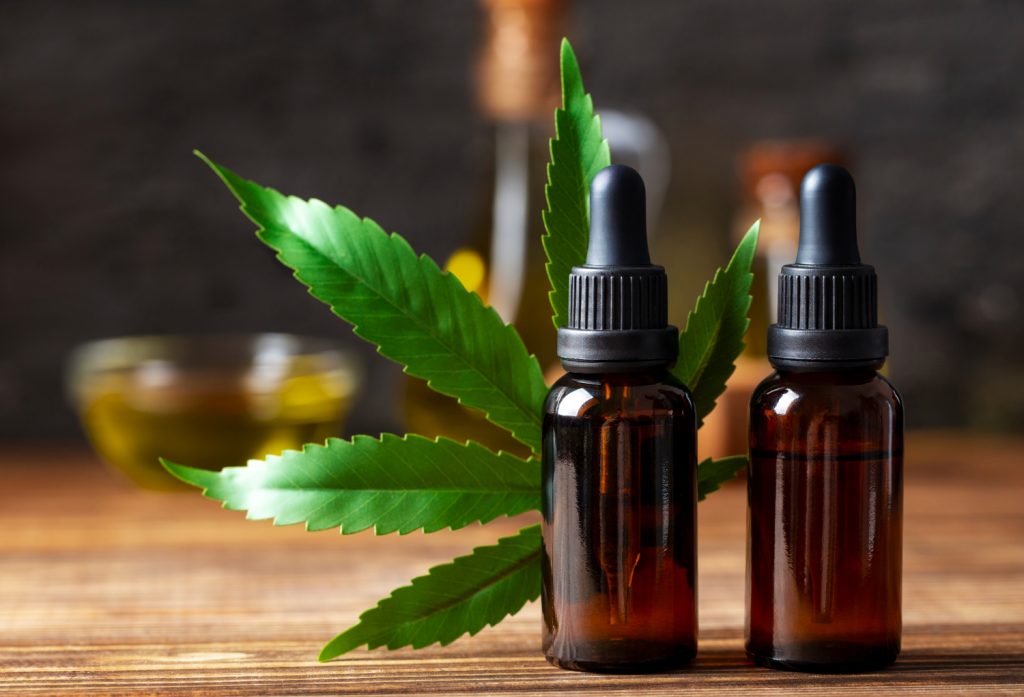
Terpenes in CBD oil — what they are and why they matter
Every hemp plant produces hundreds of chemical compounds — cannabinoids, flavonoids and terpenes. Cannabidiol (CBD) gets most of the attention, but terpenes make up a significant part of the plant’s chemical profile and are retained in full spectrum CBD oil extracts. Understanding what terpenes are, which ones appear in hemp, and how they differ between full spectrum and broad spectrum products gives a more complete picture of what’s actually in a CBD oil bottle.
This article covers terpene chemistry, the terpenes most commonly found in hemp, how extraction method affects terpene retention and what the certificate of analysis (COA) can tell you about a product’s terpene content. For a broader look at what full spectrum oil contains, the full spectrum CBD oil article covers the complete extract profile.
What terpenes are
Terpenes are a large class of organic compounds produced by plants. They are responsible for most of the characteristic aromas and flavours in plants — the scent of pine needles (pinene), lavender (linalool), citrus peel (limonene) and black pepper (beta-caryophyllene) are all terpenes. The cannabis plant produces over 200 identified terpene compounds, though any given strain contains a subset of those in varying concentrations.
Terpenes are volatile compounds — they evaporate at relatively low temperatures, which is why aromatic plants release scent at room temperature. This volatility is relevant to extraction: terpenes can be lost if temperature control during the extraction process is not precise. High-heat or high-pressure extraction methods applied without care degrade terpenes before they reach the finished oil.
Terpenes are not unique to cannabis. The same terpenes found in hemp appear in many other plants. Beta-caryophyllene is found in black pepper, cloves and hops. Myrcene is found in mango, hops and thyme. Linalool is found in lavender and many other flowering plants. The terpenes themselves are not cannabis-specific — only the particular combination and ratio found in a given hemp strain is distinctive.
Why terpenes are retained in full spectrum CBD oil
Full spectrum CBD oil uses an extraction method designed to preserve the broad chemical profile of the hemp plant — cannabinoids, terpenes, flavonoids and other minor compounds — rather than isolating CBD alone. Supercritical CO₂ extraction, used by EU Labs across the full range, allows precise control over temperature and pressure, making it possible to capture terpenes alongside cannabinoids without degrading either.
The terpene profile contributes to the characteristic taste and aroma of a full spectrum oil. The earthy, slightly herbal and sometimes floral notes in EU Labs oils come partly from the retained terpenes. A CBD isolate — pure cannabidiol with everything else removed — has no terpene content and a near-neutral flavour. Full spectrum sits at the opposite end: everything the plant produces, preserved in the extract.
Broad spectrum CBD oil occupies the middle ground. Like full spectrum, it retains cannabinoids and terpenes from the hemp plant. Unlike full spectrum, it removes tetrahydrocannabinol (THC) below detectable limits through a post-extraction processing step. The broad spectrum article covers this formulation in detail. The full spectrum vs broad spectrum comparison explains how terpene content and other factors differ between the two.
Key terpenes found in hemp
Several terpenes appear consistently across hemp cultivars and are typically present in full spectrum CBD oils made from hemp extract.
Myrcene. One of the most abundant terpenes in hemp. Also present in mango, hops and lemongrass. Myrcene has an earthy, musky aroma with fruity notes. It is the terpene most associated with the characteristic hemp/cannabis smell.
Beta-caryophyllene. A sesquiterpene (a larger molecular class within terpenes) found in black pepper, cloves and hops. Notable for being the only terpene that also binds to a cannabinoid receptor — specifically the CB2 receptor. This receptor-binding property distinguishes beta-caryophyllene from other terpenes, which generally do not interact directly with cannabinoid receptors.
Pinene (alpha and beta). Two isomers of the same compound, found widely in conifers, rosemary and basil. Alpha-pinene is the most common terpene in nature. Both contribute a pine-like, fresh aroma to hemp extracts.
Limonene. Responsible for the citrus aroma of lemon and orange peel. Present in varying amounts across hemp cultivars — more prominent in some strains than others. Limonene is a common terpene in many citrus-scented plants and is widely used in food and cosmetic industries.
Linalool. The primary terpene in lavender. Contributes a floral, slightly spicy aroma. Present in many hemp strains, particularly in lower concentrations than myrcene or beta-caryophyllene.
Terpinolene. A less abundant terpene across most hemp cultivars, with a complex aroma described as fresh, floral and woody simultaneously. Tends to appear in higher amounts in specific cultivars bred for terpene complexity.
Humulene. Also found in hops (sharing the earthy, woody quality associated with craft beer), sage and ginseng. Humulene appears alongside beta-caryophyllene in many hemp cultivars — the two often co-occur.
The entourage effect — what the research says
The “entourage effect” is a hypothesis proposed by Israeli researcher Raphael Mechoulam and colleagues in 1998, suggesting that the various compounds in cannabis — cannabinoids, terpenes and other plant chemicals — may interact in ways that differ from any single compound acting alone. The hypothesis has become widely cited in CBD marketing but is more nuanced in the research literature than marketing usage implies.
The existing evidence for entourage effects in humans is preliminary. Most studies demonstrating cannabinoid-terpene interactions have been conducted in cell cultures or animal models, not in controlled human clinical trials. Some compounds, like beta-caryophyllene’s direct CB2 binding, are pharmacologically documented. Whether the terpene profile of a full spectrum oil produces meaningfully different outcomes compared to isolated CBD for a typical user is not established by robust human clinical evidence.
What can be stated with confidence: full spectrum oils contain terpenes and isolates do not. Whether that difference matters for a given individual’s experience is a question for ongoing research and, for medical users, their healthcare professional.
Terpenes and the COA
Standard third-party testing for CBD oil covers cannabinoid potency, THC levels and contaminants — not terpene content. Most certificates of analysis do not include a terpene profile panel unless specifically requested or offered by the testing laboratory.
A COA without a terpene panel is not deficient — the standard six panels (cannabinoid potency, heavy metals, pesticides, residual solvents, microbial contamination and mycotoxins) are the quality verification standard. Terpene profiling provides additional information about the extract’s botanical identity but is not required to confirm that a CBD oil is safe and accurately labelled.
Some producers publish terpene profiles as additional documentation. If this matters for a purchasing decision, ask the brand whether terpene data is available for a specific batch. The third-party lab testing article covers the six standard panels, and the lab report guide explains how to interpret COA results.
Terpenes in EU Labs oils
EU Labs full spectrum CBD, CBG and CBN oils retain the terpene profile from the hemp extract through supercritical CO₂ extraction. The extract’s terpene content varies by cultivar and harvest — each batch’s cannabinoid potency and THC levels are confirmed through independent third-party testing, with batch numbers on every bottle linking to the corresponding lab report.
The full EU Labs range — CBD Oil 3000mg Full Spectrum, CBD Oil 12000mg Full Spectrum, CBG Oil 3000mg and CBN Oil 3000mg — is available through the Stillroot shop, shipping to Sydney, Melbourne, Brisbane, Perth, Ballarat, Bendigo and all other Australian locations.
Frequently asked questions
Do CBD oil terpenes produce any effect?
Terpenes in hemp interact with various biological systems. Beta-caryophyllene binds directly to CB2 receptors — a documented pharmacological interaction. Other terpenes interact with different receptor systems and enzymes. Whether these interactions produce meaningful differences in how a CBD oil is experienced by a given individual is not established by robust human clinical evidence. This article describes what terpenes are and how they interact with biological systems — it does not claim specific outcomes.
Does broad spectrum CBD oil contain terpenes?
Yes. Broad spectrum CBD oil retains cannabinoids and terpenes from the hemp extract — it differs from full spectrum only in that THC is removed below detectable limits. A CBD isolate, by contrast, removes everything except cannabidiol. The broad spectrum article covers this formulation in detail.
Can terpenes cause allergic reactions?
Terpenes can cause contact dermatitis or allergic reactions in some individuals — limonene and linalool in particular are classified as potential skin sensitisers in cosmetic regulations. Oral exposure from CBD oil is at lower concentrations than topical applications. If you have known sensitivities to specific terpene compounds (lavender, citrus, pine), review the product’s ingredient information and consult a healthcare professional before use.
Why does my CBD oil smell herbal and earthy?
The characteristic aroma of full spectrum CBD oil comes primarily from the hemp terpene profile — particularly myrcene, beta-caryophyllene and pinene. MCT coconut oil carrier is nearly odourless, so the aroma from a full spectrum CBD oil in MCT is almost entirely from the hemp extract’s terpenes. Different batches from different hemp harvests can have slightly different aroma profiles depending on the cultivar and growing conditions.
Is a higher terpene content better in CBD oil?
“More terpenes” is not inherently better. The quality of a CBD oil is determined by accurate cannabinoid labelling (confirmed by COA), clean extraction, appropriate concentration and documented manufacturing standards — not by terpene quantity. A product marketing “high terpene content” without a batch-specific COA for cannabinoid potency and contaminant screening is prioritising marketing over verifiable quality.
These products have not been evaluated by the TGA. They are not intended to diagnose, treat, cure, or prevent any disease. You must be 18+ to purchase. Please consult a healthcare professional before use.