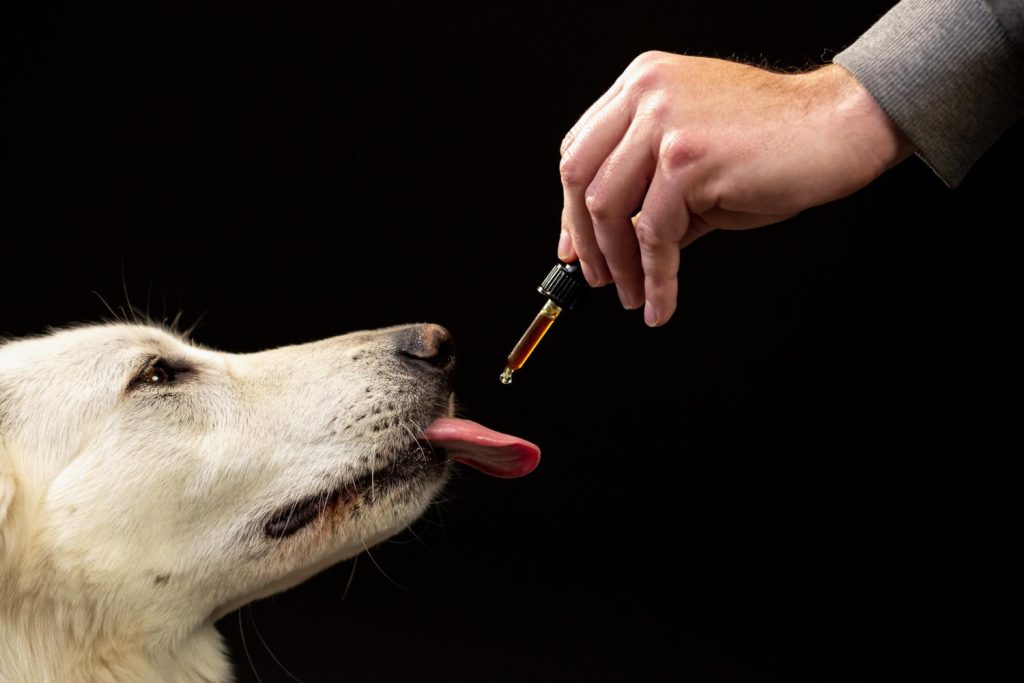
Talking to your vet about CBD oil for dogs
Bringing up cannabidiol (CBD) oil with a veterinarian can feel awkward. Cannabis-derived products carry cultural baggage, and not every vet has experience with cannabinoid products for animals. But a vet consultation isn’t optional — it’s the most important step before starting any CBD oil routine with a dog. A veterinarian can assess whether CBD oil is appropriate for the specific animal, check for interactions with existing medications and advise on serving size based on species, breed and body weight.
This article covers how to prepare for that conversation, what questions to ask, what information to bring, and what to expect from the vet’s response. For background on the product itself, the pet CBD oil vs human CBD oil comparison explains how pet-specific formulations differ from human products.
Why the vet conversation matters
Dogs process cannabinoids differently than humans. Dogs have a higher density of cannabinoid receptors in certain brain regions, which means they may respond to smaller amounts of both CBD and tetrahydrocannabinol (THC) relative to their body weight. THC sensitivity in dogs is significantly higher than in humans — even trace amounts in a full spectrum product represent a proportionally larger exposure for a 10 kg dog than for a 70 kg adult.
A vet understands these species-specific differences. They also have access to the dog’s medical history — existing conditions, current medications and any previous reactions to supplements. CBD can interact with certain medications metabolised by the liver’s cytochrome P450 enzyme system. A vet can identify potential interactions that a pet owner wouldn’t know to look for.
Starting CBD oil without veterinary input means guessing on serving size, spectrum type and timing without the information needed to make those decisions safely. The five minutes of awkwardness in bringing up the topic is worth it.
How to prepare for the appointment
Walking into the vet’s office with specific product information makes the conversation more productive. Vets can give better guidance when they know exactly what’s being considered — not just “CBD oil” in general.
Bring the product details. Print or screenshot the product page showing the cannabinoid type (CBD), concentration (mg/mL), spectrum type (full spectrum or broad spectrum), carrier oil (MCT coconut oil), extraction method (CO₂) and bottle size. For the EU Labs Pet CBD Oil 2000mg, that means: 40 mg of cannabidiol per millilitre, full spectrum, MCT coconut oil carrier, CO₂ extracted, 50 mL glass dropper bottle.
Bring the certificate of analysis. A batch-specific COA from an independent lab gives the vet verifiable data on cannabinoid content and THC levels — not just label claims. The COA shows exact concentrations of CBD, THC, cannabigerol (CBG), cannabinol (CBN) and contaminant screening results. The lab report guide explains each section if you want to review it before the appointment.
Know the dog’s current situation. Write down the dog’s weight, age, breed, any existing conditions, current medications and supplements. This information helps the vet assess whether CBD oil fits into the existing picture or conflicts with something already in the routine.
Questions to ask your vet
Five questions cover the essential ground. The vet may not have answers to all of them — some vets have more experience with cannabinoid products than others — but asking frames the conversation properly.
Is CBD oil appropriate for my dog’s situation? This is the starting question. The vet knows the dog’s history and can assess whether adding a cannabinoid product makes sense or introduces unnecessary variables.
Are there any medication interactions to consider? CBD is metabolised through the cytochrome P450 enzyme pathway. If the dog takes any medications processed through the same pathway, CBD could affect how those medications are metabolised. The vet can check for known interactions.
Should I use full spectrum or broad spectrum for my dog? Full spectrum pet CBD oil contains trace THC below 0.3%. Broad spectrum removes THC below detectable limits. Given that dogs are more THC-sensitive than humans, the vet can advise on which spectrum type suits the specific animal. The full spectrum vs broad spectrum comparison explains the product-level difference.
What serving size would you suggest as a starting point? Serving size depends on the dog’s weight, the product’s concentration and the vet’s clinical judgement. EU Labs Pet CBD Oil 2000mg delivers approximately 2 mg of CBD per drop (at ~20 drops per mL from 40 mg/mL). That figure gives the vet a concrete reference for calculating a starting amount.
How should I monitor and when should I follow up? The vet can suggest what to observe, how long to maintain the initial serving before adjusting, and when to schedule a check-in. Keeping a simple log of date, serving size and any observations makes the follow-up conversation more useful.
What to expect from the vet’s response
Veterinary responses to CBD oil questions vary widely. Some vets are well-informed about cannabinoid products and will engage with specific product details. Others may be cautious or unfamiliar with the topic. A few may decline to discuss CBD products altogether. All of these responses are legitimate professional positions.
In Australia, the regulatory framework for CBD in veterinary medicine is evolving. The Therapeutic Goods Administration (TGA) regulates human CBD products, but the veterinary regulatory landscape is different and less formalised. Some vets will be comfortable advising on CBD products; others may prefer to wait for more clinical data before recommending them. Respect the vet’s position either way.
If the vet is unfamiliar with the specific product, the COA gives them something concrete to evaluate. Most vets can interpret a cannabinoid potency panel and contaminant screening — the format is similar to lab reports they encounter in other contexts. Having batch-specific, third-party verified data moves the conversation beyond abstract discussion into specific product assessment.
If the first vet isn’t comfortable discussing CBD, consider seeking a second opinion from a veterinarian with experience in integrative approaches. Don’t start a CBD routine without some form of veterinary input.
What EU Labs offers for pets
The EU Labs Pet CBD Oil 2000mg Full Spectrum is formulated specifically for animals — 40 mg of cannabidiol per millilitre in a 50 mL glass dropper bottle with MCT coconut oil as the carrier. No added flavourings, no artificial sweeteners, no essential oil blends. Supercritical CO₂ extraction, batch-specific third-party testing covering cannabinoid potency, THC levels, heavy metals, pesticides, residual solvents and microbial contamination.
The 40 mg/mL concentration is lower than the human EU Labs CBD range (60–240 mg/mL), which makes smaller servings easier to measure for animals between 5 kg and 40 kg. Each drop delivers approximately 2 mg of CBD — practical for weight-based adjustments recommended by a vet.
The full EU Labs range — including human CBD, CBG and CBN oils — is available in the Stillroot shop. For more on how pet and human CBD products differ, the pet vs human comparison covers concentration, flavouring and THC considerations.
Frequently asked questions
Should I talk to my vet before giving my dog CBD oil?
Yes. A veterinarian can assess whether CBD oil is appropriate for the specific dog, check for medication interactions, advise on spectrum type and suggest a starting serving size based on the animal’s weight, breed and medical history. Starting without veterinary input means guessing on all of these factors.
What if my vet doesn’t know about CBD oil for pets?
Not all vets have experience with cannabinoid products. If the vet is unfamiliar, providing the product’s certificate of analysis gives them verifiable data to evaluate — cannabinoid concentrations, THC levels and contaminant screening results. If the vet remains uncomfortable advising, consider seeking a second opinion from a veterinarian with integrative medicine experience.
Can CBD oil interact with my dog’s medications?
CBD is metabolised through the cytochrome P450 enzyme pathway. Medications processed through the same pathway may be affected — either metabolised faster or slower than usual. A vet can check the dog’s current medications against known interaction profiles. This is one of the primary reasons veterinary consultation is important before starting CBD oil.
Is full spectrum or broad spectrum CBD oil better for dogs?
Dogs are more sensitive to THC than humans. Full spectrum CBD oil contains trace THC below 0.3%; broad spectrum removes THC below detectable limits. The choice depends on the individual dog’s situation and the vet’s recommendation. Some vets prefer broad spectrum to eliminate THC exposure entirely. Consult your veterinarian for guidance specific to your pet.
How much CBD oil should I give my dog?
Serving size depends on the dog’s weight, the product’s concentration and your vet’s recommendation. EU Labs Pet CBD Oil 2000mg delivers 40 mg of CBD per millilitre — approximately 2 mg per drop. A vet can calculate a starting amount based on the dog’s body weight and advise on how to adjust over time.
These products have not been evaluated by the TGA. They are not intended to diagnose, treat, cure, or prevent any disease. You must be 18+ to purchase. Please consult a healthcare professional before use.