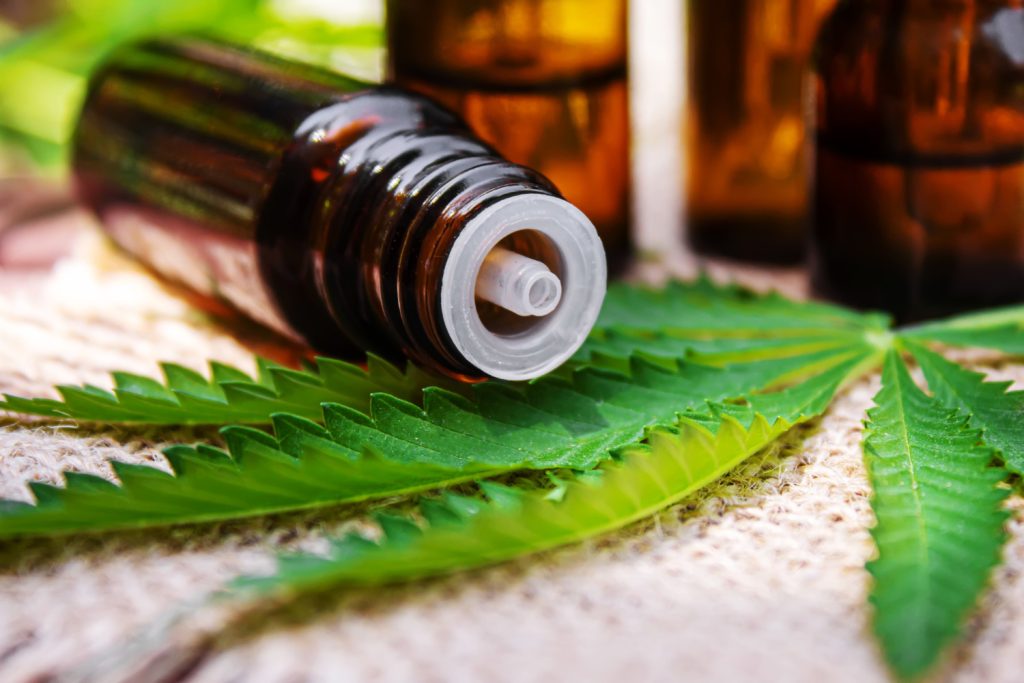
How to store CBD oil — temperature, light and shelf life
A bottle of cannabidiol (CBD) oil stored correctly stays stable for 12 to 24 months from the production date. Stored poorly — in direct sunlight, near a heat source or with the cap left loose — cannabinoids degrade faster, the carrier oil oxidises and the product loses potency before the expiry date. The three factors that determine shelf life are light exposure, temperature and air contact. Controlling all three costs nothing and takes no extra time beyond closing the cap properly.
This article covers why each factor matters, where to store the bottle, how to tell if CBD oil has degraded, and how long a bottle typically lasts at common serving sizes. For a practical guide on dispensing the oil itself, the CBD oil dropper guide covers consistent drop measurement and sublingual method.
Why light degrades CBD oil
Ultraviolet (UV) light breaks down cannabinoids through a process called photodegradation. CBD molecules absorb UV energy, which disrupts their chemical structure and converts them into degradation products with reduced or no cannabinoid activity. The same process affects tetrahydrocannabinol (THC), cannabigerol (CBG), cannabinol (CBN) and terpenes — every active compound in the extract loses stability under sustained light exposure.
This is why quality CBD oil ships in dark glass bottles — amber or dark brown glass filters out the UV wavelengths most responsible for degradation. EU Labs uses dark glass dropper bottles across the entire product range precisely for this reason. Clear glass or plastic bottles offer less UV protection, which accelerates degradation even under indoor lighting.
Store the bottle in a cupboard, drawer or pantry — somewhere that stays dark when the door is closed. Don’t leave the bottle on a windowsill, kitchen counter exposed to afternoon sun, or bathroom shelf where fluorescent lighting hits it throughout the day. Every hour of unnecessary light exposure chips away at the oil’s potency.
Why temperature matters
Heat accelerates chemical reactions, including the breakdown of cannabinoids and the oxidation of carrier oil. Medium-chain triglyceride (MCT) coconut oil — the carrier in EU Labs CBD oils — is relatively stable compared to polyunsaturated oils, but it still degrades faster at elevated temperatures. The cannabinoids dissolved in the carrier follow the same pattern: higher temperature means faster degradation.
The ideal storage temperature for CBD oil is between 16°C and 21°C — roughly room temperature in a climate-controlled home. Avoid storing the bottle near heat sources: stovetops, ovens, radiators, heat vents or appliances that generate warmth. A car dashboard or glove compartment in Australian summer — where temperatures can exceed 60°C — will degrade a CBD oil rapidly.
Refrigeration is not required under normal conditions. Cold temperatures won’t damage the oil, but they can thicken it — MCT coconut oil increases in viscosity as temperature drops, which makes drops slower to dispense from the glass pipette. If you’ve refrigerated the bottle, let it sit at room temperature for five to ten minutes before use. The oil returns to normal viscosity as it warms.
Freezing is unnecessary and creates practical problems. Repeatedly freezing and thawing an oil can cause the carrier and extract to separate, affecting consistency and dosing accuracy.
Why air exposure matters
Oxygen reacts with both cannabinoids and carrier oil through oxidation. Each time the bottle is opened, fresh air enters the headspace above the oil. Over time, this exposure degrades the cannabinoid content and can turn the carrier oil rancid. Oxidised MCT oil develops an off smell — slightly metallic or stale — that’s distinct from the normal earthy, herbaceous scent of hemp extract.
The practical fix is simple: close the cap tightly after every use. Don’t leave the bottle open while preparing other things. Don’t transfer the oil to a wider-mouth container that exposes more surface area to air. The original glass dropper bottle is designed to minimise air contact — the narrow opening and dropper mechanism limit how much air enters with each use.
As the oil level drops and more headspace forms inside the bottle, oxidation exposure increases slightly. This is normal and unavoidable. Using the oil within a reasonable timeframe — rather than letting a half-empty bottle sit for months — is the best way to minimise this effect.
How long a bottle lasts
Shelf life from production date is typically 12 to 24 months for a properly stored CBD oil in a dark glass bottle with an airtight seal. Once opened, the oil should be used within roughly six months for best results — the combination of repeated air exposure and daily temperature fluctuations from opening and handling gradually reduces potency.
At common serving sizes, a 50 mL bottle lasts a specific number of days depending on daily consumption. EU Labs bottles are all 50 mL:
- 0.25 mL per day (quarter-dropper): approximately 200 days — well over six months
- 0.5 mL per day (half-dropper): approximately 100 days — about three months
- 1 mL per day (full dropper): approximately 50 days — under two months
At higher daily servings, the bottle empties before storage becomes a concern. At lower servings, the oil may sit for six months or more — which is where proper storage makes the biggest difference in maintaining potency. The CBD oil concentrations article explains how mg/mL affects serving size, and the 3000mg vs 12000mg comparison covers which concentration suits different usage patterns.
Signs that CBD oil has degraded
Three indicators suggest a CBD oil has passed its usable life or has been stored poorly.
Colour change. Fresh CBD oil ranges from pale gold to medium amber depending on spectrum type and concentration. Full spectrum tends to be darker than broad spectrum due to additional plant compounds. A significant darkening from the original colour — especially to a deep brown or murky appearance — suggests degradation.
Smell change. Fresh CBD oil smells mildly earthy and herbaceous from the hemp extract and terpenes. MCT coconut oil is odourless. If the oil develops a sharp, rancid, metallic or chemical smell, the carrier oil has likely oxidised. Don’t use oil that smells “off.”
Consistency change. CBD oil should be a uniform liquid. Separation, cloudiness, crystallisation or a thick sludge at the bottom of the bottle indicates degradation or temperature damage. Mild thickening in cold conditions is normal and reverses at room temperature — permanent consistency changes are not.
Degraded CBD oil isn’t typically dangerous to consume, but it delivers less cannabidiol per drop than the label indicates. The practical effect is that serving sizes become unreliable. If the oil shows any of these signs, replace the bottle.
Storage checklist
- Store upright in a cool, dark place — cupboard, pantry or drawer
- Keep temperature between 16°C and 21°C
- Seal the cap tightly after every use
- Keep the bottle in its original dark glass container
- Avoid windowsills, stovetops, bathrooms and car interiors
- Use within six months of opening for best results
- Check expiry or batch date printed on the bottle
Every EU Labs product ships in a dark glass dropper bottle with batch-specific dating. The full range — CBD, CBG, CBN and pet oils — is available in the Stillroot shop. For an overview of what’s inside each bottle, the ingredients breakdown covers extract, carrier and concentration.
Frequently asked questions
Should I refrigerate CBD oil?
Refrigeration is not required under normal storage conditions (16–21°C). Cold temperatures thicken MCT coconut oil, making drops slower to dispense. If your home regularly exceeds 25°C and the bottle cannot be stored in a cooler spot, refrigeration is acceptable — just let the bottle sit at room temperature for five to ten minutes before use.
How long does CBD oil last after opening?
CBD oil should be used within approximately six months of first opening for best results. Properly stored in a cool, dark place with the cap sealed tightly, the oil maintains its stated potency throughout that period. Unopened bottles stored correctly have a shelf life of 12 to 24 months from the production date.
Can CBD oil go bad?
Yes. CBD oil degrades over time through exposure to light, heat and air. Signs of degradation include darkened colour, rancid or metallic smell, and changes in consistency (cloudiness, separation, sludge). Degraded oil isn’t typically harmful but delivers less cannabidiol per drop than the label indicates.
Does the carrier oil affect shelf life?
Yes. MCT coconut oil is one of the more stable carrier oils due to its saturated fatty acid structure, which resists oxidation better than polyunsaturated alternatives like hemp seed oil. Olive oil falls between the two. EU Labs uses MCT coconut oil across the entire range for both its absorption properties and its storage stability. The MCT coconut oil carrier article covers this in detail.
How do I check the expiry date on my CBD oil?
Check the bottle label or packaging for a production date, batch date or expiry date. EU Labs bottles carry a batch number that links to the production date and independent certificate of analysis. If the product has no date or batch number, there’s no way to assess its age — which is a quality concern in itself.
These products have not been evaluated by the TGA. They are not intended to diagnose, treat, cure, or prevent any disease. You must be 18+ to purchase. Please consult a healthcare professional before use.