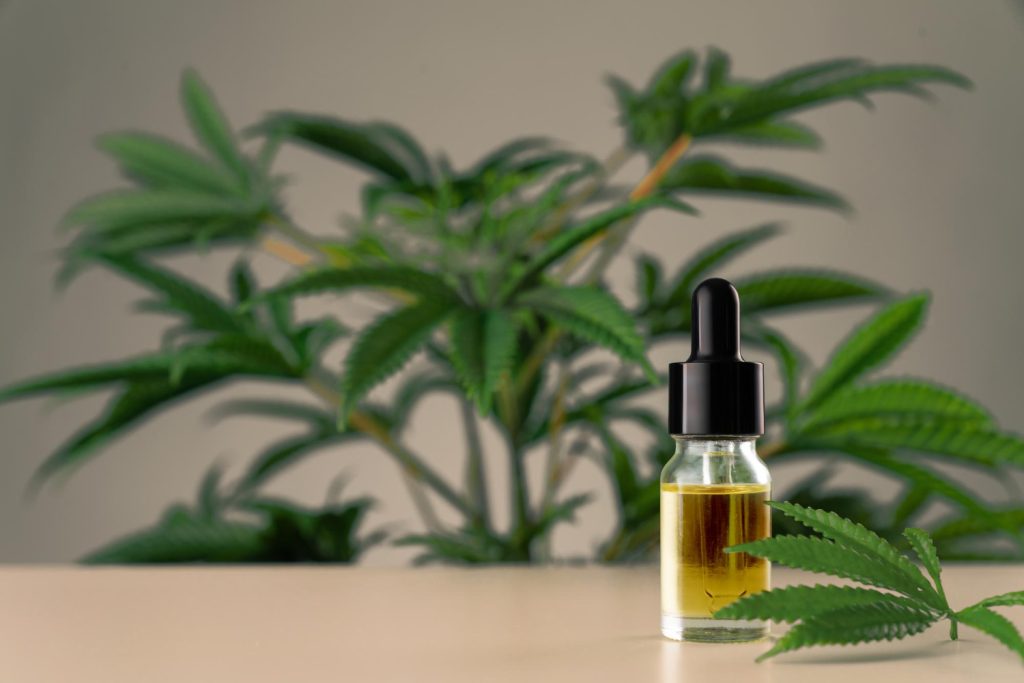
How much does CBD oil cost on prescription in Australia
Prescription cannabidiol (CBD) oil in Australia is not subsidised by the Pharmaceutical Benefits Scheme (PBS). The full cost falls on the buyer — consultation fee, product price and dispensing fee combined. For many Australians, the total comes as a surprise. A single bottle of prescription CBD oil can cost anywhere from $100 to $400 depending on the brand, concentration, bottle size and the prescribing pathway used.
This article breaks down each cost component, explains why prescription CBD is expensive, compares pharmacy dispensing to online purchasing, and covers what to expect at each stage of the process. For the regulatory framework behind prescriptions, the CBD oil legality in Australia article covers TGA scheduling in detail.
The three costs of prescription CBD oil
Getting CBD oil on prescription in Australia involves three separate charges. Each adds to the total out-of-pocket cost.
Doctor consultation fee. A GP or specialist consultation to discuss medicinal cannabis typically costs between $50 and $200 depending on the practitioner, whether it’s a first visit or follow-up, and whether the consultation is in-person or via telehealth. Some telehealth platforms specialising in medicinal cannabis charge $99 to $199 for an initial consultation. Medicare rebates may apply to some consultations, but not all — particularly those conducted through private telehealth services focused on cannabis prescribing.
Product cost. The CBD oil itself is the largest expense. Prescription CBD products in Australia generally range from $100 to $350+ per bottle. The price depends on the brand, cannabinoid concentration, bottle size and spectrum type. A 30 mL bottle of pharmaceutical-grade CBD oil at moderate concentration typically sits in the $150–$250 range. Higher concentrations and larger bottles cost more. None of these products are PBS-listed, so there is no government subsidy.
Dispensing fee. The pharmacy charges a dispensing fee to fill the prescription — typically $5 to $15 at most pharmacies, including Chemist Warehouse locations. This fee is standard for any prescription medication and is the smallest component of the total cost.
A typical first-time total: $150 consultation + $200 product + $10 dispensing = $360 for the initial bottle. Subsequent refills skip the consultation fee if the prescription includes repeats, bringing the ongoing cost down to the product price plus dispensing.
Why prescription CBD oil costs more
Prescription CBD oil in Australia is expensive for structural reasons — not because the cannabidiol molecule costs more in pharmaceutical form.
No PBS subsidy. The Pharmaceutical Benefits Scheme reduces the out-of-pocket cost of listed medications to $31.60 (general) or $7.70 (concession) per script. No CBD product is PBS-listed. The buyer pays the full manufacturer price plus pharmacy markup. Until a CBD product achieves PBS listing — which requires extensive health economics data and PBAC recommendation — prescription CBD remains an entirely private-pay product.
Small market, high compliance cost. Australian medicinal cannabis is a relatively small market compared to the US or Canada. Manufacturers serving the Australian market must comply with TGA regulatory requirements, TGO 93 quality standards and Australian GMP or equivalent (such as EU GMP). These compliance costs are spread across fewer units sold, pushing per-unit prices higher.
Prescription pathway overhead. The Special Access Scheme (SAS) and Authorised Prescriber (AP) pathways involve administrative steps — TGA applications, approvals, documentation — that add time and cost to the supply chain. These costs eventually appear in the product price or the consultation fee.
Cost per milligram — the comparison metric
Comparing CBD products by bottle price alone is misleading. A $200 bottle containing 1500 mg of CBD and a $200 bottle containing 3000 mg deliver very different value. The useful metric is cost per milligram of cannabidiol.
Divide the total price by the total milligrams in the bottle. A $200 product containing 3000 mg costs approximately $0.067 per milligram. A $150 product containing 1000 mg costs $0.15 per milligram — more than double the per-milligram price despite the lower sticker price.
Higher-concentration products almost always deliver better value per milligram. The manufacturing cost of putting 3000 mg of CBD into a 50 mL bottle isn’t three times the cost of putting 1000 mg into the same bottle — the extraction, bottling and testing process is largely the same. The CBD oil pricing guide covers cost per milligram across different products. The concentrations explained article breaks down what mg/mL means for daily servings.
Prescription vs online purchase — cost comparison
Australian buyers comparing prescription CBD to direct online purchase encounter a significant price difference. The products aren’t always identical — different brands, different formulations — but the active compound is the same cannabidiol molecule in both cases.
Prescription CBD through a pharmacy carries the consultation fee, higher product pricing (pharmaceutical distribution markup) and dispensing fee. The advantage is clear regulatory standing — the product has been prescribed by an authorised doctor and dispensed by a registered pharmacy.
Direct online purchase from stores like Stillroot typically offers lower per-milligram pricing. EU Labs CBD Oil products are manufactured in EU GMP-certified facilities, CO₂ extracted, and come with batch-specific third-party lab testing covering all six COA panels. The EU Labs CBD Oil 3000mg Full Spectrum delivers 60 mg/mL in a 50 mL bottle — the same quality verification standards that apply to pharmaceutical products.
The what to look for when buying online article covers verification steps for any purchase channel. The buying CBD oil in Australia guide explains both prescription and direct access pathways.
How to reduce ongoing costs
For those committed to prescription CBD, several approaches can lower the ongoing expense.
Ask for repeats. A prescription with repeats avoids the consultation fee for each refill. Most medicinal cannabis prescriptions can include multiple repeats, reducing the per-bottle cost to the product price plus dispensing fee.
Choose higher concentrations. A 3000mg bottle at $200 delivers better value per milligram than a 1500mg bottle at $150. If the serving size is small, a higher-concentration product lasts longer and costs less per milligram of CBD consumed. The 3000mg vs 12000mg comparison covers concentration choices.
Compare pharmacy prices. Dispensing fees and product markup vary between pharmacies. Prices at a Chemist Warehouse in Sydney may differ from a compounding pharmacy in Melbourne or an independent pharmacy in Brisbane. The Chemist Warehouse CBD oil article covers what’s available through the pharmacy chain.
Consider telehealth. Some telehealth platforms offer lower consultation fees than in-person specialist visits. Follow-up consultations are often cheaper than initial appointments. The process works identically for patients in Perth, Adelaide, Gold Coast, Canberra or regional areas like Townsville and Cairns.
Frequently asked questions
Is CBD oil covered by Medicare or the PBS in Australia?
No. As of early 2026, no CBD product is listed on the Pharmaceutical Benefits Scheme. The full product cost falls on the buyer. Medicare may partially rebate the doctor consultation fee depending on the practitioner and consultation type, but the CBD oil itself is entirely private-pay.
How much does a CBD oil prescription consultation cost?
Initial consultations for medicinal cannabis typically range from $99 to $199 through telehealth platforms, or $50 to $200 for in-person GP or specialist visits. Follow-up consultations are usually cheaper. Medicare rebates may apply to some consultations but vary by provider and billing method.
Can I get cheaper CBD oil without a prescription?
Direct online purchase from manufacturers like EU Labs typically offers lower per-milligram pricing than pharmacy-dispensed prescription products. The same quality verification applies — batch-specific COA, CO₂ extraction, stated concentration and carrier oil. The regulatory standing differs: prescription CBD has explicit TGA approval for the individual patient; direct purchase does not carry the same prescription-level authorisation. The buying online guide covers the process.
Why isn’t CBD oil on the PBS?
PBS listing requires a manufacturer to submit a full application including clinical efficacy data, health economics analysis and a recommendation from the Pharmaceutical Benefits Advisory Committee (PBAC). No CBD manufacturer has completed this process successfully. Until PBS listing occurs, all prescription CBD products in Australia remain private-pay.
What is the cheapest way to access CBD oil in Australia?
On a cost-per-milligram basis, higher-concentration CBD oils purchased directly from online manufacturers offer the lowest per-milligram price. For prescription access, choosing a higher-concentration product with repeats and comparing pharmacy pricing reduces ongoing cost. The CBD oil pricing article compares cost across different products and channels.
These products have not been evaluated by the TGA. They are not intended to diagnose, treat, cure, or prevent any disease. You must be 18+ to purchase. Please consult a healthcare professional before use.