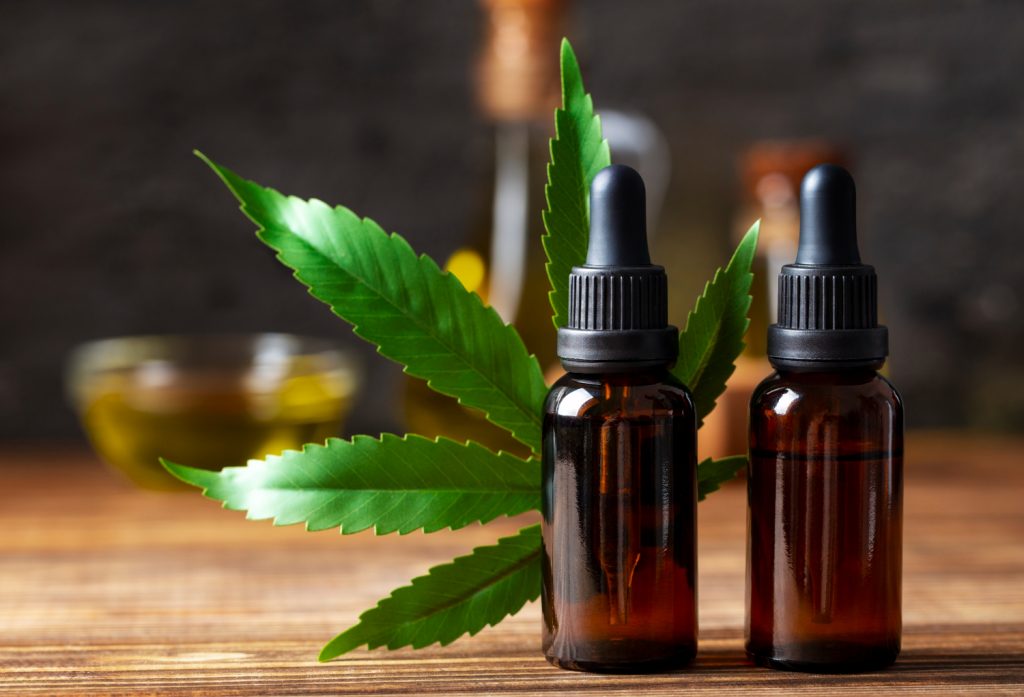
Hemp oil and CBD oil — two different products
The names sound interchangeable, and plenty of websites use them that way. They’re not the same thing. Hemp oil (or hemp seed oil) comes from the seeds of the hemp plant. CBD oil comes from the flowers, leaves and stalks. Different parts of the plant, different extraction methods, different contents.
Hemp seed oil is a food product. You’ll find it in supermarkets next to olive oil and flaxseed oil. It’s cold-pressed from hemp seeds, contains no cannabinoids — zero CBD, zero THC — and is used in cooking, salad dressings and skincare. Nutritionally, it’s high in omega-3 and omega-6 fatty acids. That’s about where the conversation ends for hemp seed oil.
CBD oil is an extract from the aerial parts of the hemp plant. The extraction process — usually supercritical CO₂ — pulls cannabinoids, terpenes and other plant compounds from the flowers and leaves. The result is a concentrated extract that contains cannabidiol (CBD) as the primary cannabinoid, along with varying amounts of other compounds depending on whether it’s a full spectrum or broad spectrum product.
How to tell them apart on a label
Check the ingredients list. CBD oil will list a cannabinoid concentration — something like “3000 mg CBD per bottle” or “60 mg/mL”. Hemp seed oil won’t mention cannabinoids at all because it doesn’t contain any. If a product says “hemp oil” but lists a CBD concentration, it’s CBD oil with a misleading name. If it says “hemp seed oil” with no milligram figures, it’s the food-grade product.
The price is another giveaway. Hemp seed oil costs a few dollars for a large bottle at the supermarket. CBD oil, because of the extraction process and testing involved, sits in a completely different price bracket. A 50 mL bottle of CBD Oil 3000mg Full Spectrum from EU Labs, for example, delivers 60 mg/mL of CBD — that concentration doesn’t happen by accident. It requires controlled extraction, purification, and independent lab verification.
Some brands muddy the waters deliberately. They label a product “hemp extract oil” and put a cannabis leaf on the front, hoping you’ll assume it contains CBD. Always look for a milligram figure. No mg/mL on the label? No cannabinoids inside.
What’s actually in CBD oil
A typical CBD oil contains the cannabinoid extract dissolved in a carrier oil. EU Labs uses MCT (medium-chain triglyceride) coconut oil — a neutral, easily absorbed base that pairs well with cannabinoid extracts. The extract itself contains CBD as the dominant compound, plus smaller amounts of other cannabinoids and terpenes if it’s a full spectrum product.
Full Spectrum CBD Oil 12000mg retains trace THC below 0.3%, along with other naturally occurring cannabinoids and terpenes from the hemp plant. Broad Spectrum 12000mg goes through an additional step to remove THC entirely while keeping the rest of the cannabinoid profile intact. Both use CO₂ extraction and the same MCT carrier.
Hemp seed oil, by contrast, contains fatty acids, vitamin E and minerals. Useful in a kitchen. But it’s a completely different product with a completely different composition. Mixing them up is like confusing orange juice with orange essential oil — same plant, different part, different purpose entirely.
Why the confusion exists
Blame marketing, mostly. Before CBD became widely known, “hemp oil” was the polite way to describe any hemp-derived product without triggering alarm in people who associated hemp with marijuana. Some early CBD brands labelled their products as hemp oil to avoid regulatory scrutiny. The habit stuck.
Search engines haven’t helped. People type “hemp oil” when they mean CBD oil, and websites optimise for both terms to capture that traffic. The result is a mess of listings where hemp seed oil and CBD oil appear side by side with no clear distinction. If you’ve ever searched “hemp oil” and ended up confused by the results, that’s why.
In Australia, the distinction matters for practical reasons. Hemp seed oil is a food product regulated by Food Standards Australia New Zealand. CBD oil falls under different rules entirely. Knowing which one you’re buying isn’t just a labelling question — it determines what’s actually in the bottle.
Which one are you looking for
If you want a cooking oil rich in fatty acids, buy hemp seed oil from the supermarket. It’s cheap, widely available, and does exactly what it says on the label.
If you’re looking for a cannabinoid product with a measured CBD concentration, you want CBD oil. Check for milligram labelling, a carrier oil (MCT is the most common), and a batch number linked to a third-party lab report. EU Labs prints batch numbers on every bottle — each one corresponds to an independent lab test that confirms the cannabinoid profile and screens for contaminants.
The two products can sit in the same household without confusion, as long as you know which is which. One goes in the salad. The other doesn’t.
Consult a healthcare professional before starting any cannabinoid product. That applies whether you’re buying your first bottle or switching between concentrations.
These products have not been evaluated by the TGA. They are not intended to diagnose, treat, cure, or prevent any disease. You must be 18+ to purchase. Please consult a healthcare professional before use.