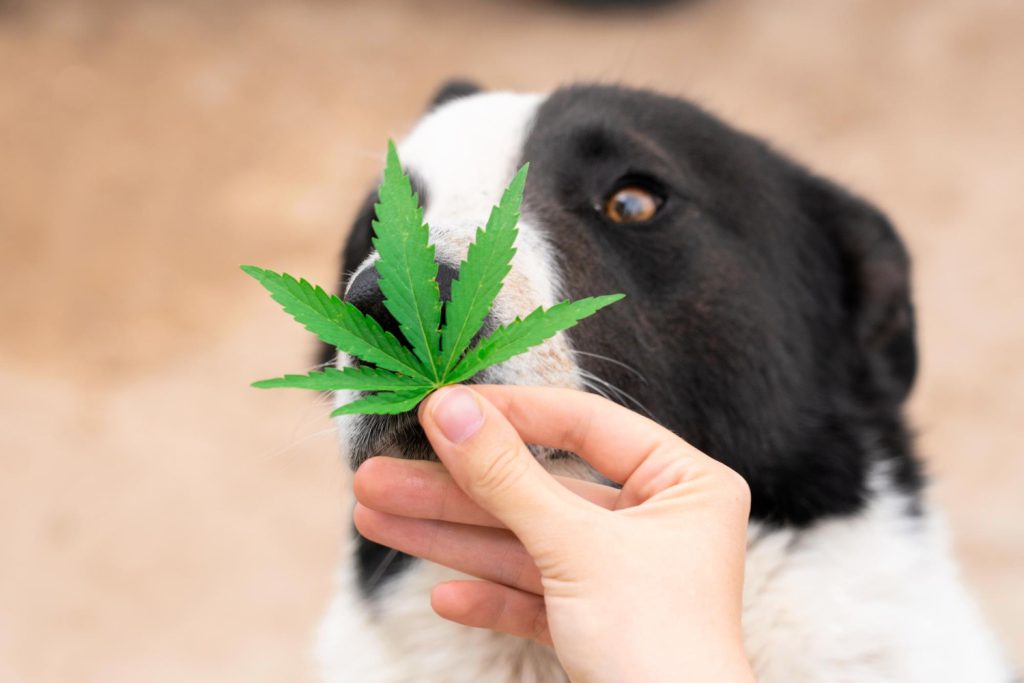
CBD oil for pets in Australia — what owners should know
Cannabidiol (CBD) oil for pets has become a growing product category in Australia, with dog and cat owners looking into cannabinoid products as part of their animals’ daily routines. The interest is real, but so is the confusion — around legality, product differences, dosing and veterinary guidance. Australia’s regulatory framework for pet CBD oil differs from human CBD regulation, and not every product marketed for pets meets the same quality standards.
This article covers what pet CBD oil is, how the Australian market works for animal cannabinoid products, what makes a pet-specific formulation different from a human one, and what every pet owner should do before starting. For a direct comparison between pet and human CBD products, the pet CBD oil vs human CBD oil article covers that ground in detail.
What pet CBD oil is
Pet CBD oil is a hemp extract formulated specifically for animals. The active compound — cannabidiol — is the same molecule found in human CBD oil, extracted from the same hemp plant using the same methods. The differences are in formulation: lower concentration per millilitre, no flavourings or additives that could harm animals, and serving size guidance based on animal body weight rather than adult human weight.
The EU Labs Pet CBD Oil 2000mg delivers 40 mg of cannabidiol per millilitre in a 50 mL glass dropper bottle. Compare that to the human EU Labs CBD Oil 3000mg at 60 mg/mL or the 12000mg at 240 mg/mL. The lower concentration means each drop delivers approximately 2 mg of CBD — making it practical to measure small, weight-appropriate servings for dogs and cats.
EU Labs Pet CBD Oil uses MCT (medium-chain triglyceride) coconut oil as the carrier, supercritical CO₂ extraction and contains no added flavourings, sweeteners or essential oils. Full spectrum formulation means the extract retains CBD alongside minor cannabinoids like cannabigerol (CBG) and cannabinol (CBN), plus terpenes and trace tetrahydrocannabinol (THC) below 0.3%.
The Australian regulatory landscape for pet CBD
Australia’s Therapeutic Goods Administration (TGA) regulates human CBD products under Schedule 3 (pharmacist-only, maximum 150 mg/day) and Schedule 4 (prescription required). Pet CBD products fall into a different regulatory space. The TGA’s jurisdiction covers therapeutic goods for human use — animal products are regulated through a combination of state and territory veterinary legislation and the Australian Pesticides and Veterinary Medicines Authority (APVMA).
In practice, this means pet CBD oil in Australia exists in a less clearly defined regulatory category than human CBD oil. No pet CBD product currently holds formal APVMA registration. Most pet owners accessing CBD oil for their animals do so through veterinary prescription or recommendation, similar to how unapproved veterinary medicines are sometimes supplied under veterinary discretion.
The regulatory ambiguity makes veterinary consultation more important, not less. A vet can advise on whether using a CBD product is appropriate for the specific animal within the current legal and clinical framework. The CBD oil legality overview covers the human regulatory framework, which provides context for understanding the broader Australian approach to cannabinoid products.
Dogs, cats and THC sensitivity
Dogs and cats respond differently to cannabinoids than humans. Dogs in particular have a higher density of cannabinoid receptors (CB1 receptors) in certain brain regions, which makes them more sensitive to tetrahydrocannabinol (THC). Even the trace amounts of THC in a full spectrum CBD oil — below 0.3% by weight — represent a proportionally larger exposure for a 10 kg dog than for a 70 kg human.
THC toxicity in dogs is a documented veterinary concern. Symptoms can include lethargy, loss of coordination, drooling and, in severe cases, more serious neurological signs. While the trace THC in a properly manufactured full spectrum pet CBD oil at pet-appropriate concentrations is not expected to cause these effects, the sensitivity difference between species is real and worth understanding.
Cats are generally more cautious about ingesting unfamiliar substances, which naturally limits accidental overconsumption. Their cannabinoid receptor density differs from dogs, but veterinary research on feline CBD response is more limited than canine research.
For pet owners concerned about THC exposure, broad spectrum CBD oil removes THC below detectable limits while keeping other cannabinoids and terpenes intact. The full spectrum vs broad spectrum comparison explains the product-level difference. Discuss spectrum choice with a vet.
What to check before buying pet CBD oil
The same quality verification that applies to human CBD oil applies to pet products. A lower price point or a paw-print on the label doesn’t exempt a product from needing proper documentation.
Certificate of analysis. Batch-specific, from an independent third-party lab, covering cannabinoid potency (CBD and THC at minimum), heavy metals, pesticides, residual solvents and microbial contamination. The COA confirms whether the product contains what the label claims and whether contaminant levels are within safe limits. The third-party lab testing article explains each panel.
Ingredient list. A pet CBD oil should list every ingredient. The shorter the list, the lower the additive risk. Check specifically for xylitol (toxic to dogs), essential oils (many are harmful to cats) and artificial flavourings. EU Labs Pet CBD Oil contains two ingredients: hemp extract and MCT coconut oil.
Appropriate concentration. A product designed for pets should deliver a low enough concentration per drop that weight-based servings are practical to measure. At 40 mg/mL, the EU Labs pet product delivers ~2 mg per drop — suitable for animals between 5 kg and 40 kg with reasonable dropper precision.
Extraction method. CO₂ extraction eliminates residual solvent risk. If the product uses ethanol or butane extraction, the COA’s residual solvents panel should show “ND” across all tested compounds.
Talk to a vet first
This point appears in every responsible article about pet CBD oil because it’s the most important step in the process. A veterinarian can assess whether CBD oil is appropriate for the specific animal, check for medication interactions through the cytochrome P450 enzyme pathway, advise on spectrum type (full vs broad), and suggest a starting serving size based on species, breed and body weight.
Not every vet is experienced with cannabinoid products, and that’s a legitimate position. If the vet is unfamiliar with CBD, providing the product’s COA and specifications gives them concrete data to evaluate. The talking to your vet about CBD oil article covers how to prepare for that conversation, what questions to ask and what to expect.
Don’t skip the vet. Don’t substitute internet research for professional veterinary guidance. The consultation is the foundation everything else builds on.
The EU Labs pet range
EU Labs offers one pet-specific product: the Pet CBD Oil 2000mg Full Spectrum. It delivers 40 mg/mL of cannabidiol in a 50 mL glass dropper bottle — CO₂ extracted, MCT coconut oil carrier, no added flavourings or sweeteners. Batch-specific third-party COA covers cannabinoid potency, THC levels, heavy metals, pesticides, residual solvents and microbial contamination.
The full EU Labs range — including human CBD, CBG and CBN oils — is available in the Stillroot shop.
Frequently asked questions
Is CBD oil legal for pets in Australia?
Pet CBD oil occupies a less defined regulatory space than human CBD oil in Australia. The TGA regulates human cannabinoid products; animal products fall under state veterinary legislation and the APVMA. No pet CBD product currently holds formal APVMA registration. Most pet owners access CBD oil through veterinary guidance. Consult a vet for advice on the current legal framework for your situation.
Can I give my dog human CBD oil instead of a pet product?
This is not recommended. Human CBD oil is formulated at higher concentrations (60–240 mg/mL vs 40 mg/mL for pet products), may contain flavourings or additives unsafe for animals, and provides THC levels calibrated for adult human body weight. A pet-specific product like EU Labs Pet CBD Oil 2000mg delivers a lower, more controllable dose per drop. See the pet vs human comparison for the full breakdown.
What animals can use CBD oil?
Dogs are the most common species for pet CBD oil use, followed by cats. Some horse owners also use cannabinoid products. Species differ in cannabinoid receptor density and THC sensitivity, so what works for a dog may not be appropriate for a cat or another species. Always consult a veterinarian for the specific animal.
How much CBD oil should I give my pet?
Serving size depends on species, body weight, the product’s concentration and your vet’s recommendation. EU Labs Pet CBD Oil delivers ~2 mg of CBD per drop at 40 mg/mL. A vet can calculate a starting amount based on the animal’s weight and advise on adjustment over time. Do not determine serving size without veterinary guidance.
Should I choose full spectrum or broad spectrum for my pet?
Dogs are more THC-sensitive than humans. Full spectrum contains trace THC below 0.3%; broad spectrum removes THC below detectable limits. The choice depends on the individual animal and the vet’s recommendation. Discuss spectrum type during your veterinary consultation before starting.
These products have not been evaluated by the TGA. They are not intended to diagnose, treat, cure, or prevent any disease. You must be 18+ to purchase. Please consult a healthcare professional before use.