CBD oil 3000mg vs 12000mg — choosing a concentration
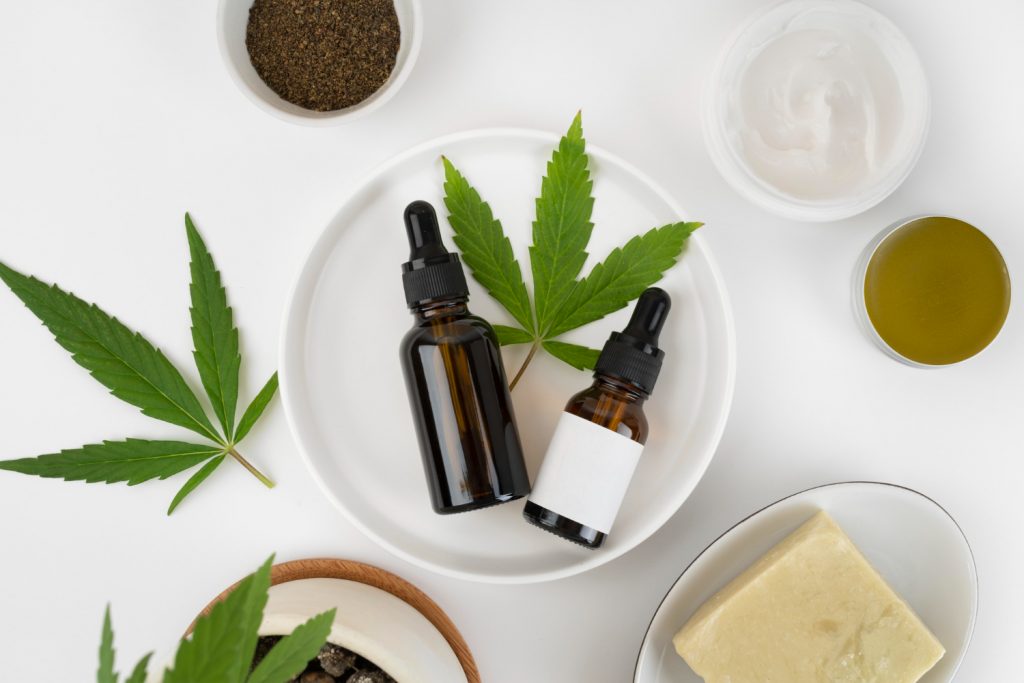
EU Labs sells two CBD oil concentrations: 3000 mg and 12000 mg. Both come in the same 50 mL glass dropper bottle, use the same CO₂ extraction process, and carry the same third-party lab testing. The difference is density — how many milligrams of CBD sit in each millilitre of oil. That single variable changes how you measure drops, how long a bottle lasts, and what you pay per milligram.
The CBD Oil 3000mg Full Spectrum delivers 60 mg of CBD per millilitre. The CBD Oil 12000mg Full Spectrum delivers 240 mg/mL — four times the concentration from an identical bottle. Picking between them isn’t about one being “better.” It’s about which fits the way you want to use it.
Most of the confusion around concentration comes from the big number on the label. People see 12000 mg and assume it’s a completely different product. It isn’t. The CBD molecule is the same. The hemp source is the same. The carrier oil — MCT coconut oil — is the same. You’re choosing a ratio, not a different substance.
What the numbers mean per drop
A 50 mL bottle holds approximately 900 drops when using a standard glass dropper. That number isn’t exact — it depends on how you squeeze the bulb and the viscosity of the oil — but it’s a reliable approximation across most CBD products. Divide the total milligrams by 900 drops and you get the per-drop figure.
For the 3000 mg bottle: 3000 divided by 900 gives roughly 3.3 mg of CBD per drop. For the 12000 mg bottle: 12000 divided by 900 gives roughly 13.3 mg per drop. That’s a fourfold difference from the same squeeze of the dropper. A single drop from the 12000 mg bottle contains as much CBD as four drops from the 3000 mg bottle.
Per-millilitre figures tell the same story differently. A full dropper pull draws about 1 mL of oil. One full pull from the 3000 mg bottle = 60 mg of CBD. One full pull from the 12000 mg bottle = 240 mg. These numbers matter when you’re counting drops as part of a daily routine — fewer drops means a quicker, simpler process each time.
Neither figure is more “correct.” They’re two ways to reach whatever milligram amount fits your routine. The 3000 mg bottle just requires more drops to get there, while the 12000 mg bottle requires fewer.
Who typically picks which
People new to CBD oil tend to start with the 3000 mg concentration. At 3.3 mg per drop, it’s easier to make small adjustments. Adding or removing a single drop changes the total by a small amount, which gives more room to experiment gradually. Newcomers who aren’t sure how many milligrams suit their routine appreciate that precision.
Experienced users who’ve already settled on a milligram amount often switch to 12000 mg. If your routine involves 40 mg of CBD, that’s roughly 12 drops from the 3000 mg bottle — or just three drops from the 12000 mg bottle. Fewer drops to count, less time with the dropper. The routine becomes faster.
The 12000 mg bottle also lasts longer relative to usage. Both bottles hold 50 mL of oil, but the 12000 mg bottle packs four times the CBD into that volume. Someone using the same milligram amount each day will go through the 3000 mg bottle four times faster. Fewer reorders, fewer gaps between bottles.
Cost per milligram favours the higher concentration too. Divide the price of each bottle by its total milligrams and the 12000 mg option typically works out cheaper per milligram of CBD. That’s standard across the industry — higher-concentration products generally offer better value on a per-milligram basis. Check the Stillroot shop to compare current pricing directly.
Full spectrum and broad spectrum at both concentrations
EU Labs offers each concentration in two spectrum types. Full spectrum retains the complete cannabinoid and terpene profile from the hemp plant, including trace THC below 0.3%. Broad spectrum goes through an additional processing step that removes THC entirely while keeping the other cannabinoids and terpenes intact.
At the 3000 mg tier, you can choose between the Full Spectrum 3000mg and the Broad Spectrum 3000mg. At 12000 mg, the same choice exists: Full Spectrum 12000mg or Broad Spectrum 12000mg. Same glass bottle, same MCT carrier oil, same CO₂ extraction method across all four.
The spectrum decision is separate from the concentration decision. Pick full spectrum if trace THC below 0.3% isn’t a concern. Pick broad spectrum if you’d prefer zero THC — whether for personal preference, workplace considerations, or any other reason. Then pick your concentration based on how many drops per serve fits your routine.
Every bottle carries a batch number linked to an independent lab report. That report confirms the CBD concentration, the full cannabinoid panel, and — for broad spectrum — that THC is non-detectable. The same testing standards apply regardless of which concentration or spectrum type you choose.
Making the choice
Start with two questions. How many milligrams per serve fits your routine? And do you prefer counting more drops or fewer? If you don’t know the answer to the first question yet, the 3000 mg concentration gives you finer control while you figure it out. One drop at a time, 3.3 mg at a time.
If you already know your preferred milligram amount and want a more efficient routine, the 12000 mg bottle does the same job with fewer drops and better per-milligram value. The CBD inside is identical — same extraction, same hemp, same carrier oil. You’re just changing the concentration in the bottle.
A healthcare professional can help you think through the concentration question in the context of your specific situation. That conversation is worth having before you start, and again if you’re considering switching between concentrations. EU Labs provides the product information and lab reports — your healthcare provider brings the personalised context.
Both concentrations ship in the same 50 mL glass dropper bottles from the Stillroot store. Same packaging, same shelf life, same storage requirements. The only thing that changes is the number on the label — and the number of drops you count out each time.
These products have not been evaluated by the TGA. They are not intended to diagnose, treat, cure, or prevent any disease. You must be 18+ to purchase. Please consult a healthcare professional before use.